
The Humble Origins of Abilene Heights
Nestled in the northeastern part of Abilene, Texas, the Abilene Heights neighborhood stands as a testament to the city’s steady growth and enduring sense of community. While Abilene itself was established in 1881 as a key stop along the Texas and Pacific Railway, Abilene Heights began to take shape several decades later as the city started to sprawl outward from its downtown core.
In the late 1940s and early 1950s, the area we now know as Abilene Heights was little more than rolling prairie, marked by mesquite trees and the occasional cluster of wildflowers. As Abilene’s population expanded after World War II, visionaries saw potential in these gently rising open lands just north of what is now North 10th Street. The “Heights” in the neighborhood’s name refers to its slightly elevated ground—a notable feature in the relatively flat Big Country landscape.
How Abilene Heights Got Its Name
The name “Abilene Heights” emerged from both geography and aspiration. Early developers wanted to evoke a sense of distinction and promise. The gentle elevation offered panoramic views of the budding city to the south, and residents soon embraced the name, proud of their perch “above” the hustle and bustle. Over time, “Abilene Heights” came to embody not just physical elevation but also a spirit of neighborliness and progress.
Key Historical Milestones
Abilene Heights’ story is woven from the broader tapestry of Abilene’s postwar boom. Some notable milestones include:
- Development of Residential Streets (1950s-1960s): Streets such as East North 10th, Greenbriar Drive, and Summertime Drive became lined with modest mid-century homes, many of which still stand proudly today.
- A Flourishing Community Spirit (1970s): By the 1970s, the neighborhood association was known for organizing Fourth of July block parties and neighborhood watch groups, fostering a sense of safety and unity.
- Arrival of Institutions: The establishment of elementary schools nearby, such as Johnston Elementary (just southwest of the neighborhood), enhanced the appeal for families. Houses of worship, including the early congregation at North Park Church of Christ, provided gathering points for residents.
- Modernization and Revitalization (1990s-present): With each new generation, Abilene Heights has welcomed remodellings and new builds, while local parks and green spaces have been enhanced to serve changing needs.
Landmarks, Parks, and Notable Buildings
While Abilene Heights is primarily a residential enclave, it boasts several features that make life here vibrant and memorable:
- Cedar Creek and Neighborhood Parks: The creek, which winds quietly near the neighborhood’s edge, is a natural treasure, supporting local wildlife and offering green space for walkers and families. Cedar Creek Park, sitting just east of East North 10th Street, is a favorite weekend escape for picnics and playground fun.
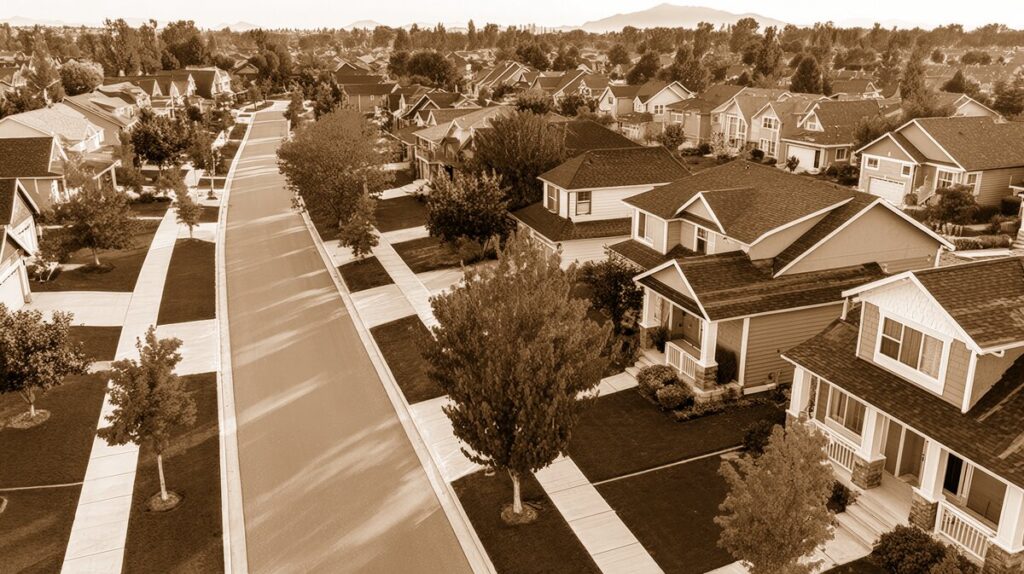
- Classic Homes and Mid-Century Charm: Many houses along streets like Greenbriar Drive and Redwood Lane still feature the stone facades, decorative shutters, and spacious yards that typify 1950s Texas architecture. These homes tell stories of countless family barbecues and children learning to ride their first bikes.
- North Park Church of Christ: This cornerstone congregation on North 13th Street has served Abilene Heights families for decades, hosting everything from food drives to choir performances, and stands as a spiritual and social bedrock.
Evolution Through the Decades
Abilene Heights has seen changes—both subtle and dramatic—over the years. In the 1960s, it was a new frontier, drawing Abilene’s teachers, young professionals, and military families from Dyess Air Force Base. By the 1980s and 1990s, as the city grew further, the neighborhood’s strong community bonds helped it weather the challenges of urban expansion and shifting demographics.
Today, new generations are discovering what drew the original residents: quiet leafy streets, friendly neighbors, and ready access to all the amenities Abilene has to offer. Houses, both lovingly preserved and tastefully remodeled, reflect a blend of history and progress. Younger families, retirees, and longtime residents alike mix at annual events, school board meetings, and impromptu gatherings at neighborhood parks.
Enduring Sense of Community
Ask any longtime resident what sets Abilene Heights apart, and you’ll hear about its enduring sense of belonging. Neighbors look out for one another. Seasonal front-yard decorations spark friendly competition. In times of need, casseroles and kind notes are always at hand. It’s the kind of place where newcomers are quickly welcomed—often with a pie, a handshake, or an invitation to a backyard cookout.
The neighborhood association remains active, advocating for improved lighting on East North 10th Street, supporting local schools, and working with the city to maintain safety and beauty. Annual garage sales, holiday parades, and beautification days ensure that the spirit of Abilene Heights will endure for generations to come.
A Neighborhood with a Bright Tomorrow
As Abilene continues to grow, Abilene Heights stands firm in its traditions while embracing the future. Its unique blend of history, community involvement, and scenic charm make it a perennial favorite among those seeking an authentic Abilene experience.
If you stroll down one of its quiet streets in early spring, you’re likely to hear the birdsong that’s greeted residents for generations—and perhaps catch the laughter of children playing under the same tall oaks planted by their grandparents.
After all these years, Abilene Heights remains more than just a place to live. It’s a living story—one of roots, dreams, and a community that grows ever stronger with time.